Commercial content. Prepared for Golden Eagle and Estes Group using its published equipment information.
A slitter quotation can describe the cutting machine in detail and still leave an important question open: what happens to the blanks after cutting? For a canmaker buying equipment, the route from the slitter outlet to the next machine deserves attention before the layout is signed off.
The discussion is easier when cutting and transfer are treated as one purchasing brief. That does not mean every machine must come from one supplier. It means the connection points, operating sequence and equipment scope need to be clear.
Follow the blank through the proposed layout
Start with the incoming sheet and finished blank dimensions, material and thickness range. Then follow the proposed route: outlet direction, blank orientation, transfer height, collection point and the inlet of the next machine. Where the blanks are printed or coated, include the surface areas that handling must protect.
Ask whether blanks are delivered directly, stacked or collected in another arrangement. Put the answer on the layout drawing. If the next machine is already installed, provide its model and feeding details rather than relying on a general description of the line.
Compare complete configurations
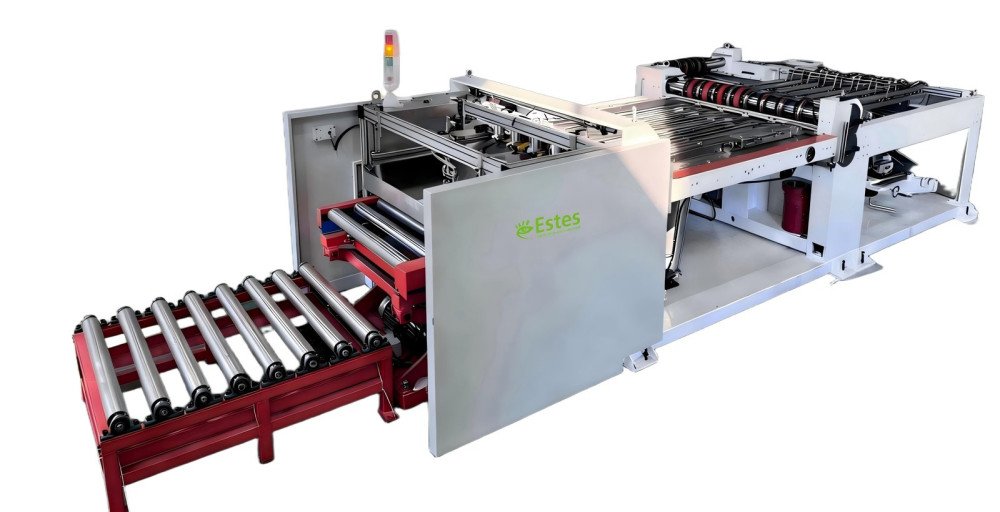
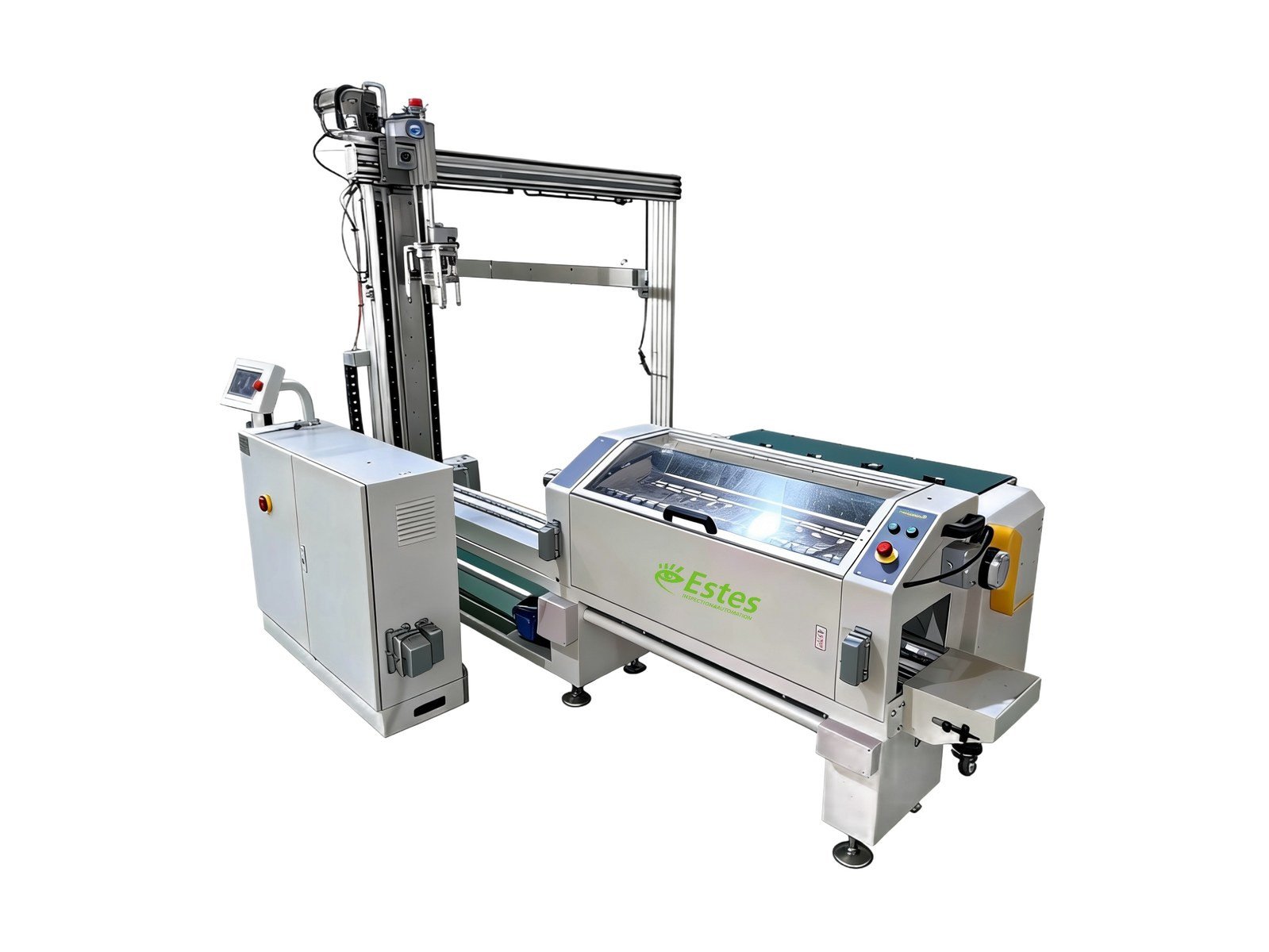
Golden Eagle and Estes Group lists PTGS-2 and PTGS-3 Duplex Gang Slitters, body blank transfer equipment and SMART series can body welders. Buyers can use these equipment pages to open a discussion, then compare the proposed configuration against their own blank formats and output requirements.
For the slitter, check the material and size range, tooling and changeover requirements. For the transfer arrangement, check what equipment is included and how it connects to the downstream process. Comparing those scopes together is more useful than comparing the cutting machine prices alone.
Discuss stops as well as running speed
State the sustained output needed for each format. Also describe what should happen when the welder stops, when the slitter restarts and when operators change sizes. The proposed layout should explain where blanks will wait and how feeding resumes.
Before ordering, identify who supplies the mechanical connection and control interfaces, and who commissions the combination. Include material loading, maintenance access, utilities and installation conditions in the review.
Send a useful enquiry
- Incoming sheet and finished blank sizes, material and thickness.
- Required output and the formats that will run most often.
- Existing slitter or welder models, if this is an upgrade.
- A layout or photos showing the outlet and downstream inlet.
- Installation country, power supply and support requirements.
These details give the supplier a practical basis for discussing the machine and transfer scope. Agree a trial using the intended material and formats, including the dimensional checks, surface condition and stop-and-restart behaviour to be recorded.
For related equipment, see Golden Eagle and Estes Group's Duplex Gang Slitter and Body Blanks Transfer System. Planning a new line or an upgrade? Send the blank specification and line details to discuss a quotation.

